
How to Help
Click Here for More Information on How to Donate and Volunteer
What is a VOAD
State/Territory VOADs are essential to the #VOADMovement.
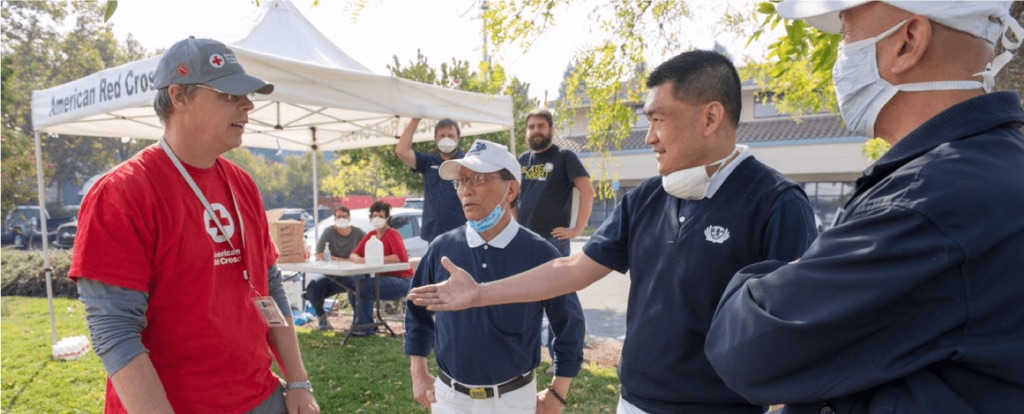
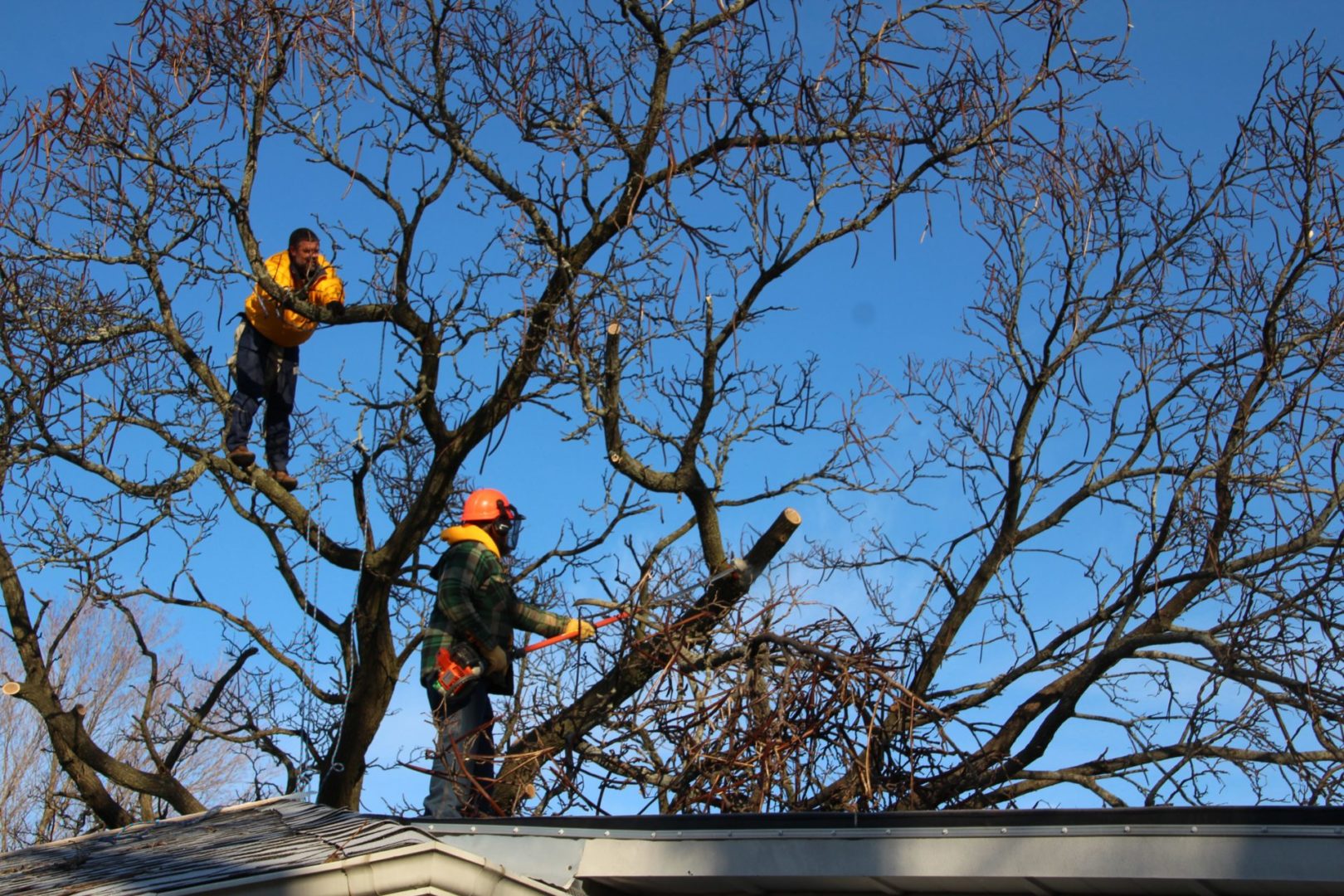
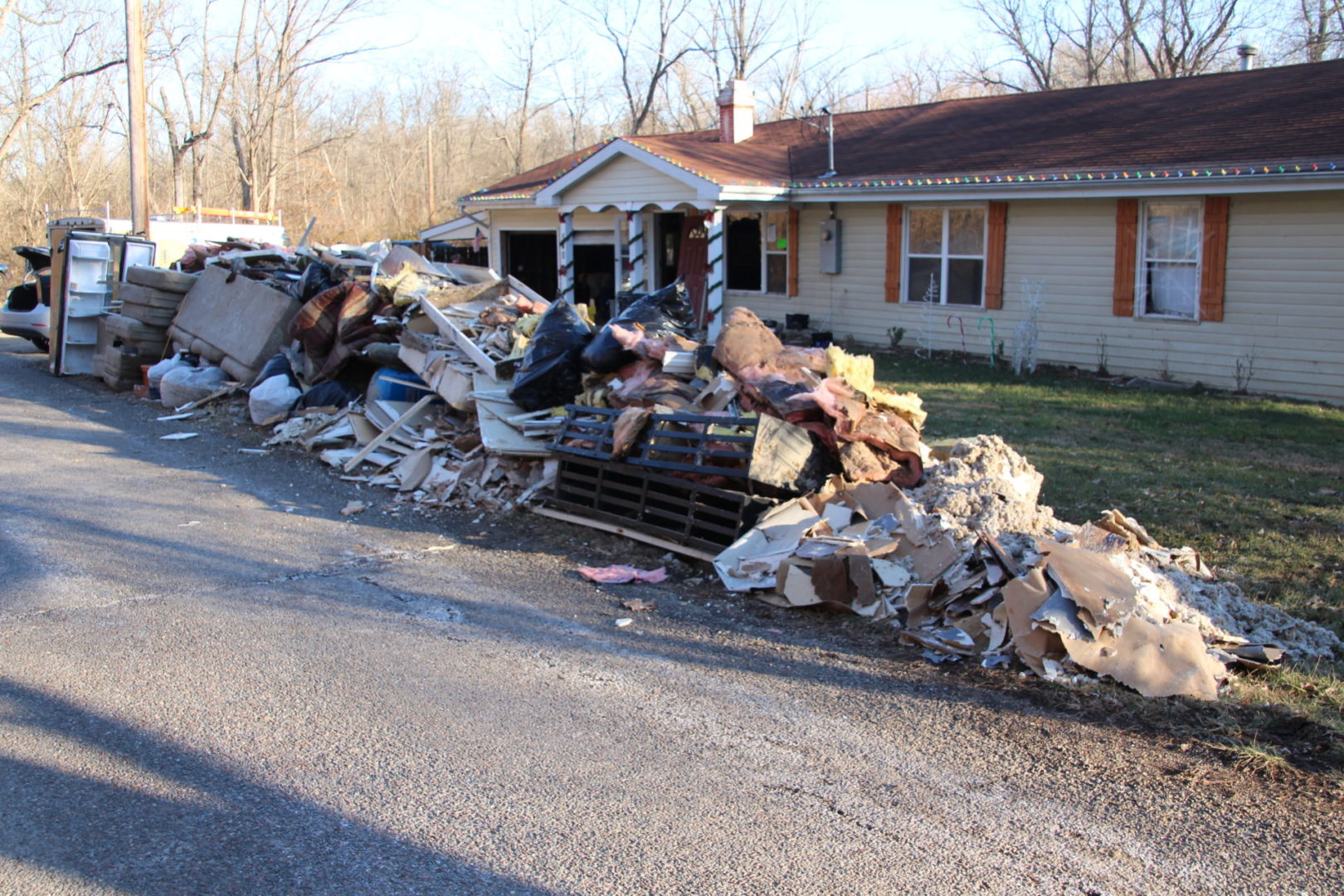
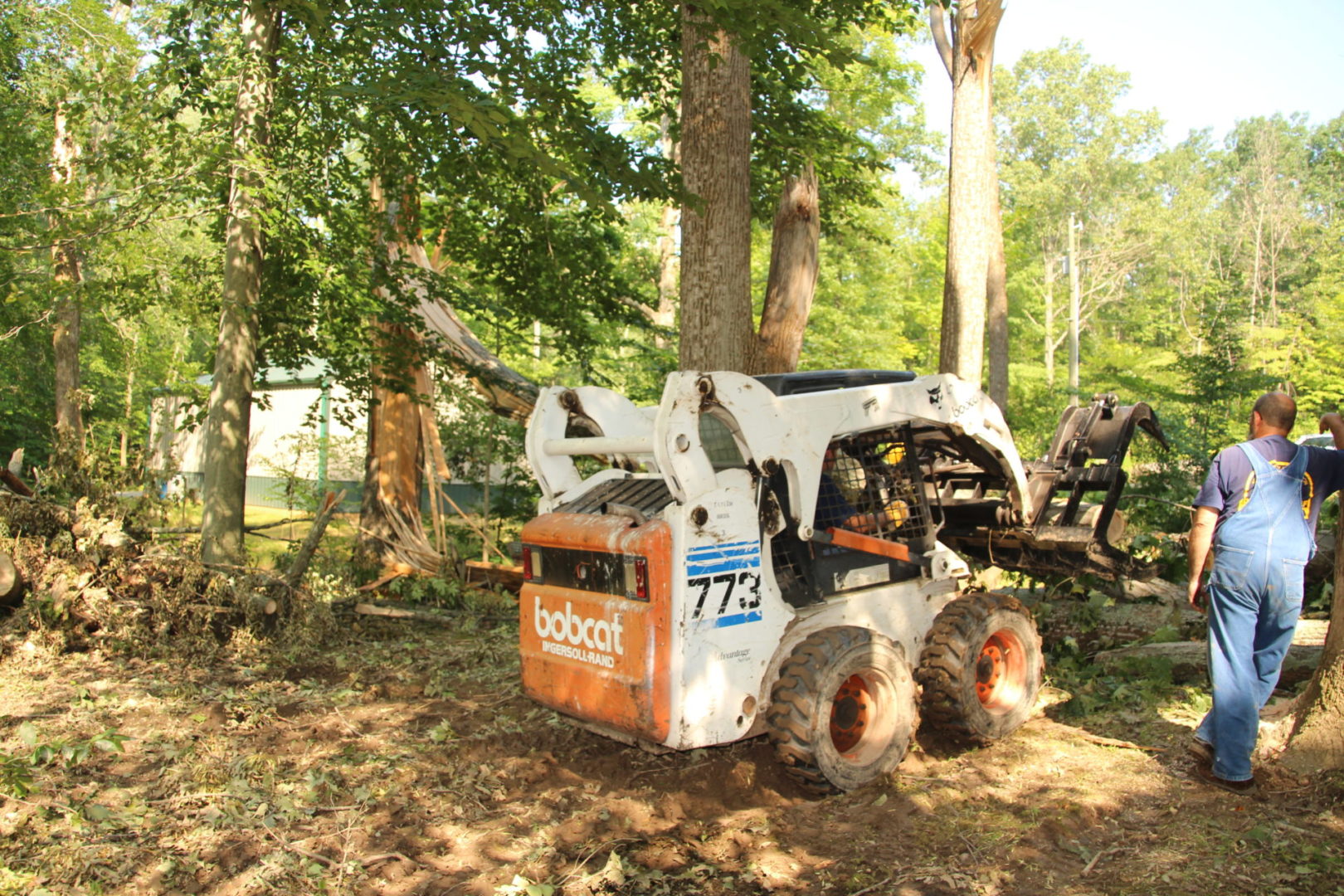
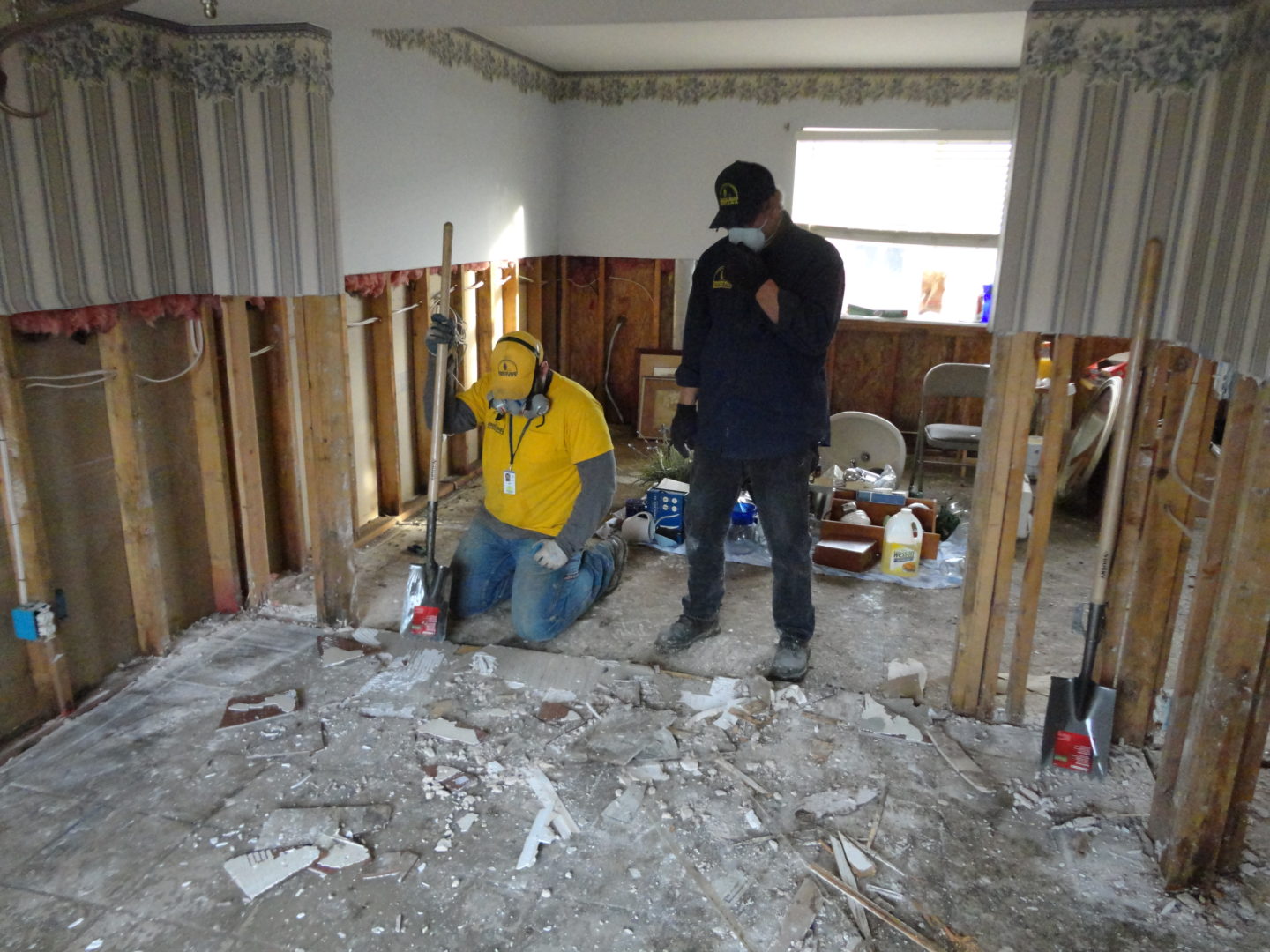
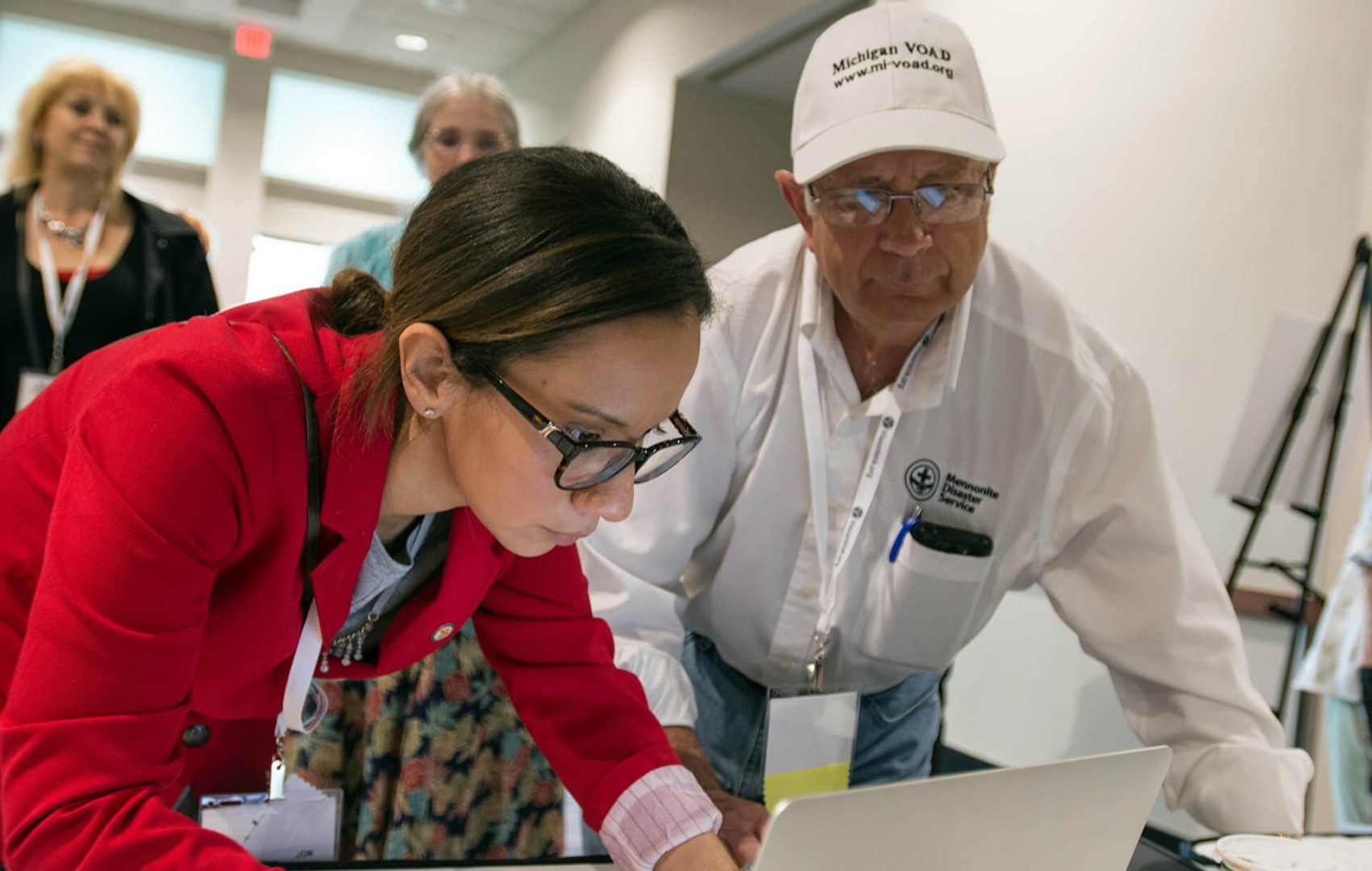
State/Territory VOADs are associations of organizations that lead response efforts, communicate urgent needs to the wider National VOAD network, and provide assistance to communities affected by disaster. By adhering to the 4 Cs (Communication, Cooperation, Coordination, and Collaboration), State/Territory VOADs effectively provide relief.
- Communication State/Territory VOADs communicate needs to responding non-profits and agencies
- Cooperation Work within the VOAD Movement to share resources and ensure community needs are met.
- Coordination Once on the ground, State/Territory VOADs coordinate response efforts to ensure the delivery of those goods and services to communities affected by disaster.
- Collaboration Continue to work together across all levels, from Local VOADs/COADs to Federal agencies, to ensure that communities are made whole following disasters.
How to Help
Help CommunitiesAffected by Disaster
Click for more information on how to donate and volunteer effectively.



Resources
Please find below a library of important and useful resources to help prepare yourself,
and your community for an emergency.